There is a moment most busy families recognize. It usually happens in the middle of a rushed morning or late in the evening when the house finally quiets down. You look around and realize it is not the size of the home or the number of responsibilities that feels overwhelming. It is the lack of systems holding everything together.
Most families are not disorganized because they lack discipline. They are disorganized because their homes were never set up to support the pace of their lives.
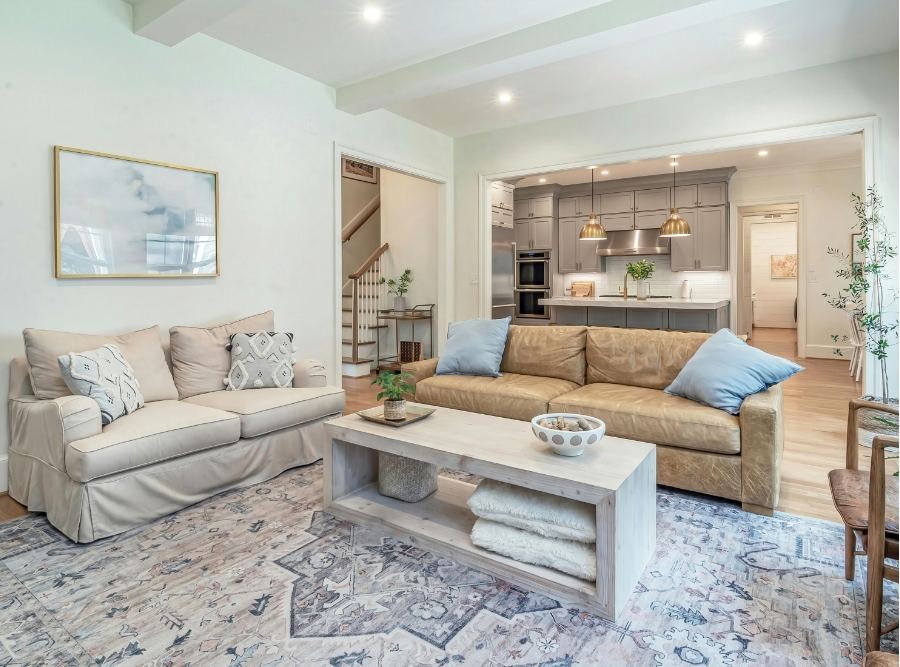
An organized home is not about perfection. It is about creating a space that supports your daily routine instead of adding friction to it. For families balancing careers, school schedules, and constant movement, the goal is not to do more. The goal is to make your home work smarter.
Shift from Cleaning to Structure
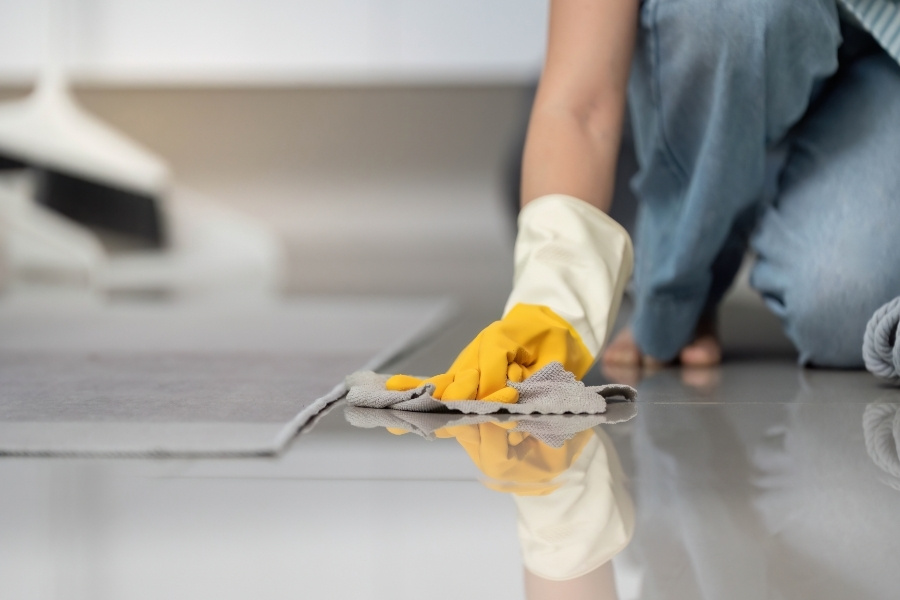
Many households fall into a cycle of constant cleaning without ever feeling caught up. The real issue is not effort. It is structure.
When a home lacks clear organization, every task takes longer. Items get misplaced, surfaces collect clutter, and simple routines become inefficient. The shift that changes everything is moving from reactive cleaning to intentional structure.
This means assigning purpose to spaces and making everyday actions easier to repeat. When systems are in place, maintaining order requires less energy and far less time. Over time, this approach turns daily maintenance into something almost automatic rather than something that constantly demands attention.
Rethinking the Role of the Garage
In most homes, the garage is the only entry point that gets used multiple times a day by nearly every member of the household. Yet it is also the least intentionally designed. That mismatch is where a surprising amount of daily friction begins.
It often starts as a place for storage and gradually turns into overflow. Sports equipment, tools, seasonal items, and unopened boxes begin to compete for space. What should be a functional transition point becomes a source of stress.
When the garage is organized with intention, it changes how the entire home operates. Clear zones, accessible storage, and logical placement reduce the time spent searching for items and streamline daily movement. For many families, improving this one space has a ripple effect across the rest of the house.
At the same time, the garage is not just a storage area. It is a working system that directly affects convenience, security, and even curb appeal. The garage door itself is one of the most frequently used mechanical systems in a home, often cycling multiple times a day.
Maxim Geht, owner of Ohio Garage Door Repair, explains it simply. “A garage door is the largest moving system in your home. When it starts getting louder or slower, that is not just wear. It is the system telling you something is off.”
That kind of early signal is easy to ignore, but it often marks the difference between a minor adjustment and a much larger repair down the line.
Designing Entry Points That Reduce Stress
One of the most common sources of household frustration is the entryway. It is where daily life begins and ends, yet it is rarely designed with intention.
An effective entry space should reflect how your family actually moves. Items that are used every day should have a natural place to land without requiring extra thought. When that flow is missing, even simple routines start to feel chaotic.
A well designed entry point reduces decision fatigue. It eliminates the need to search for essentials and creates a smoother transition between the outside world and the home. Over time, this kind of structure does more than organize space. It reduces stress.
Focus on High Impact Areas First
Trying to organize an entire home at once often leads to frustration. A more effective approach is to focus on the areas that directly impact daily routines.
Kitchens, bathrooms, and shared spaces tend to carry the most weight because they are used repeatedly throughout the day. When these spaces function well, everything else begins to feel more manageable.
Small adjustments can make a noticeable difference. Clearing surfaces, improving accessibility, and grouping items by use can transform how efficiently a space operates. These changes are not about aesthetics. They are about making daily life easier.
Build Maintenance into the Rhythm of Life
A well maintained home is rarely the result of large, one time efforts. It is built through small, consistent actions.
For busy families, maintenance should be part of a predictable rhythm rather than an overwhelming task. Paying attention to subtle changes in how a home functions can prevent minor issues from becoming expensive problems.
Small maintenance decisions often determine whether a homeowner spends a few hundred dollars today or several thousand later.
This is especially true for systems that are used constantly but rarely inspected. Garage doors are a clear example. They operate daily, yet many homeowners only think about them when something stops working.
Teams like Ohio Garage Door Repair regularly see situations where early warning signs were present but ignored. Addressing those signs early is almost always more cost effective and significantly safer than waiting for a complete failure.
Let Your Home Reflect Your Reality
A well organized home is not about following a standard formula. It is about alignment.
Your home should reflect how your family actually lives, not how it is expected to look. If mornings are rushed, the spaces you rely on should be designed for efficiency. If evenings are the only time things slow down, your environment should support that shift.
When a home aligns with real routines, organization becomes natural. It no longer feels like something you have to constantly fix.
The Long Term Value of an Organized Home
There is a financial side to home organization that often goes unnoticed. A home that is well maintained and thoughtfully arranged tends to hold its value more effectively over time.
Systems reduce wear. Regular maintenance extends the life of key components. Functional spaces improve both comfort and efficiency. These factors contribute not only to day to day living but also to long term property value.
In that sense, organization is not just about convenience. It is a practical investment in the stability and longevity of your home.
A Home That Works With You
That moment at the end of a long day when everything feels slightly out of place is not always a reflection of how busy life is. More often, it reflects how the home is set up to handle that pace.
When systems improve, that feeling begins to fade.
For busy families, the goal is not to create a perfect home. It is to create one that feels steady, functional, and supportive. When your home works with you instead of against you, everything else becomes just a little easier to manage.
And over time, that shift changes more than your space. It changes how you experience daily life.